Kite Embroidery Design Review for Craft Fairs
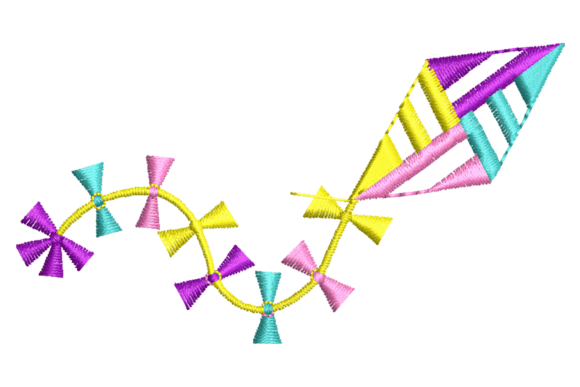
As an experienced embroidery designer preparing my booth for the upcoming weekend craft fair, I am constantly evaluating new digital assets to ensure they will stand out on a crowded table. Today, I am putting the Kite Embroidery Design under the microscope. The product description promises to bring a sense of joy and childhood fun to your creations, featuring a beautiful kite flying. For sellers looking to create high-demand craft fair products, this design feels like it has genuine potential.
When I first opened the file, the immediate impression was one of playful energy. In a sea of rustic farmhouse florals or minimalist geometric shapes, a flying kite offers a distinct break that catches the eye. It is not just another decorative motif; it carries a narrative of freedom and outdoor play. This makes it an excellent choice for handmade product lines targeting families, children's boutiques, or summer-themed collections. The design feels modern yet nostalgic, striking a balance that appeals to both young parents and adults who appreciate whimsical accents.
Where This Design Shines on Market Products
My primary goal when reviewing any machine embroidery design is to visualize where it will sell best. The Kite Embroidery Design is versatile enough to work across several key categories, but some applications are far superior than others for maximizing sales volume.
- Tote Bags: This is likely the hero product for this design. A single, vibrant kite centered on a canvas tote bag creates a bold focal point. It photographs exceptionally well for online listings, making it a top contender for an Etsy seller looking to boost their shop visibility. The open space around the kite allows for clean stitching without cluttering the fabric texture.
- Apron Embroidery: For the kitchen or gardening enthusiast, placing the kite on the bib of an apron adds a cheerful touch. It transforms a utilitarian item into a giftable piece. The design works well as a chest-level accent, drawing attention to the wearer immediately.
- Tea Towel Embroidery: Cotton tea towels provide a perfect canvas for this style. The design fits beautifully in the corner or center of a folded towel display. When customers see these hanging at a booth, the bright colors pop against the natural linen or white cotton, creating an instant visual hook.
- Embroidered Patches: If you are selling sew-on patches, this design is ideal. The shape of a kite naturally lends itself to a bounded patch format. You can create a set of colorful patches for jackets or backpacks, offering a low-cost entry point for buyers at your craft fair.
- Fabric Pouches and Caps: Small zippered pouches for makeup or sewing kits benefit from the compact nature of the design. On caps, however, you must be strategic about placement to avoid distortion on the curved surface.
Production Realities and Selling Strategy
Turning a digital file into a finished product requires more than just pressing start on the machine. To ensure your commercial embroidery efforts yield profit, you must consider how the design behaves in production. The Kite Embroidery Design appears to have a good balance of detail, but understanding its limitations is crucial.
For batch production, clarity is king. Does the design lose definition if stitched smaller? Generally, designs with large open areas and clear outlines perform better in small sizes. If the kite features tiny strings or intricate bridle details, those might get lost on a small pouch. I recommend testing the design at your intended final size before committing to a full run of craft fair product.
Photography plays a massive role in selling handmade goods. A simple, uncluttered design like a kite flying against a solid background translates perfectly to photos. It looks crisp in a printable mockup and stands out in a social media feed. Customers scanning through hundreds of items on Etsy or Instagram will stop for the clean lines and cheerful subject matter. This visual appeal directly impacts perceived value; a well-executed stitch density signals quality craftsmanship.
Crucial Considerations for Success
Before you rush to print labels and pack your booth, there are specific technical checks every embroidery business owner must perform. Ignoring these steps can lead to wasted thread, damaged fabrics, and unhappy customers.
Stitch Density and Thread Contrast: Check the stitch density within the design files. Areas with heavy satin stitches can sometimes cause puckering on lightweight fabrics like tea towels or thin cap material. Ensure you have selected thread colors that offer high contrast against your target fabric. A pastel kite on a light blue bag might disappear, whereas a bright yellow or red kite will command attention.
Fabric Texture and Stabilizer: Different materials react differently to stitch density. A textured terrycloth towel might hide fine details, while smooth denim will show them clearly. Always use the appropriate stabilizer to support the fabric during stitching. Without proper backing, the tension of the design could warp the fabric, ruining the aesthetic of your finished product.
Hoop Size and Spacing: Confirm the recommended hoop size for the design. Attempting to embroider a large design in a small hoop often results in poor registration and stretched fabric. Conversely, leaving too much empty space in a large hoop can waste time. Verify that the spacing between elements allows for comfortable hooping, especially if you are working on curved surfaces like hats.
Small Details and Clarity: Be wary of tiny lettering or extremely thin lines if you plan to scale the design down. While the description highlights a "beautiful kite," if the wings or tail contain minute details, they may not render well on small items like embroidered patches or small pouches. Always inspect the design closely for potential weak points.
Final Verdict for the Booth
The Kite Embroidery Design brings a fresh, joyful vibe that is perfect for the current market. It fits seamlessly into the Toys category conceptually, even when applied to home goods. For a small shop product line, it offers a cohesive theme that ties together various items like tote bags, aprons, and pillows.
If you are a digital seller or a physical maker, this design asset has strong commercial potential. However, success depends on execution. Test thoroughly on scrap fabric, compare different fabric colors, and create at least one real-world mockup to ensure the design meets your standards. Once you confirm the commercial licensing allows for selling finished goods, you can confidently move forward.
By focusing on high-contrast threads, proper stabilization, and strategic product placement, the Kite Embroidery Design can become a standout item in your collection. It invites interaction, sparks conversation, and ultimately drives sales by delivering the promise of joy and childhood fun right off the shelf.