Faux Embroidery Patchwork Angel Ornament Review
As an experienced embroidery designer who spends hours evaluating digital assets for real-world production, I recently came across the Faux Embroidery Patchwork Angel Ornament on Creative Fabrica. My goal was to determine if this specific design could transition smoothly from a screen to a physical product for a custom order. Whether you are an Etsy seller looking to expand your holiday collection or a boutique owner sourcing unique graphics, understanding the practical application of a design is crucial before committing to production.
This review focuses on the tangible aspects of using Faux Embroidery Patchwork Angel Ornament as a T-Shirt Designs and Graphics asset. We will look at how it performs in actual stitching scenarios, its suitability for various materials, and how it impacts the perceived value of your handmade goods.
First Impressions: Visual Mood and Detail
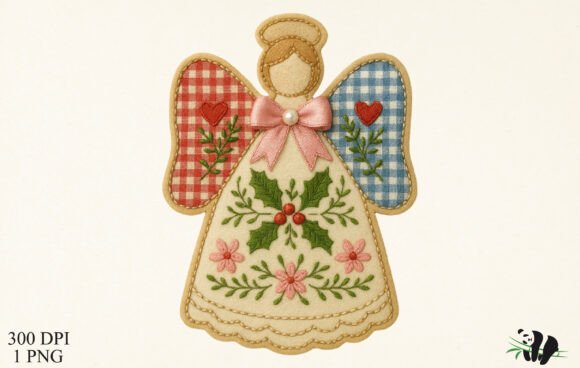
The moment I opened the file, the visual appeal of the Faux Embroidery Patchwork Angel Ornament stood out. Unlike standard vector lines that can look flat when digitized, this design captures the essence of a handcrafted patch. The "patchwork" aesthetic suggests a cozy, rustic charm that resonates perfectly with current trends in nursery decor and seasonal gifts.
For a machine embroidery design, the detail level is impressive. The intricate patterns within the angel motif mimic the texture of satin stitch and fill stitch without requiring excessive thread changes. This is a significant advantage for commercial embroidery projects where time is money. The solid color presentation allows designers to easily visualize how different thread colors would alter the final mood, making it versatile for everything from pastel baby blankets to festive red and green holiday accents.
The high resolution of the source file is immediately apparent. With a 300 DPI specification and a 4000×4000 pixel dimension, the image retains crisp edges even when scaled down for smaller applications like cap embroidery or up for large tote bag designs. The transparent background ensures that there are no unwanted white boxes interfering with the placement on mockups or fabric.
Real-World Application in Custom Apparel and Home Goods
I evaluated Faux Embroidery Patchwork Angel Ornament specifically for its potential in creating custom apparel and home textiles. The design's versatility makes it a strong candidate for several categories:
- Baby Items: The gentle, angelic theme is ideal for embroidered patches intended for baby blankets, bibs, or onesies. The patchwork style adds a touch of warmth that parents often seek in personalized gifts.
- Kitchen and Home Textiles: Placing this design on kitchen towels, aprons, or pillow covers creates a charming focal point. It works exceptionally well as a tote bag design for craft fairs, offering a unique selling point that stands out against generic store-bought items.
- Seasonal Merchandise: For holiday collections, this ornament design fits seamlessly into Christmas-themed merchandise. It can be used on sweatshirt embroidery projects or as a standalone decorative element for winter gift sets.
When considering this as a digital embroidery file for resale, the design offers a high perceived value. Customers appreciate the "handmade" look that faux embroidery provides, often willing to pay a premium for items that appear artisanal rather than mass-produced.
Practical Considerations for Stitching
While the visual aspect is promising, the true test lies in the execution. As a designer, I must advise caution regarding how Faux Embroidery Patchwork Angel Ornament translates to physical stitches. Since this is provided as a high-resolution graphic (PNG) rather than a native machine code file (like .DST or .PES), the user must understand the workflow involved.
If you are converting this graphic into a stitch file, you need to pay close attention to stitch density. Large areas that simulate fill stitches can become dense quickly, potentially causing puckering on lightweight fabrics. It is essential to test on scrap fabric first to ensure the density settings match the material weight. For stretchy fabrics like t-shirts or sweatshirts, using the correct stabilizer is non-negotiable to maintain the integrity of the design.
The size of the design relative to the hoop size is another critical factor. If you intend to use this on a small item like a cap, ensure the design is scaled appropriately so that tiny details do not get lost in the curvature of the hat. Conversely, for larger items like tote bags, the design should be sized to make a statement without overwhelming the canvas. Always confirm the hoop size capabilities of your machine before finalizing the layout.
Regarding thread selection, the solid color nature of the PNG allows for creative freedom. However, contrast is key. On dark fabrics, light threads might require a higher stitch count or a backing layer to prevent show-through. On light fabrics, darker threads will pop but may require careful tension adjustments to avoid breaking needles due to increased friction.
Impact on Product Value and Brand Consistency
In the world of commercial embroidery and handmade shops, consistency builds trust. Using a cohesive design like Faux Embroidery Patchwork Angel Ornament helps establish a recognizable brand identity. When customers see a recurring theme of high-quality, textured-looking embroidery across your finished product line, they associate your brand with reliability and care.
This design also enhances product photography. The detailed texture of the "faux" effect photographs beautifully, adding depth to images used for printable mockups and online listings. A well-executed embroidered patch on a tote bag or a neatly stitched angel on a nursery pillow can significantly boost customer engagement and conversion rates.
However, remember that the quality of the final output depends on the digitization process. If the design is poorly converted, the satin stitch edges may look jagged, or the running stitch details might appear sparse. This is why reviewing the digitization options thoroughly is part of the professional workflow.
Essential Checklist Before Production
Before integrating Faux Embroidery Patchwork Angel Ornament into your next project, consider these practical steps to ensure success:
- Verify File Details: Check the Creative Fabrica product page to confirm the exact specifications, including the 300 DPI resolution and the ZIP file format. Ensure you have the necessary software to convert the PNG into a machine-readable format.
- Test on Scrap Fabric: Never run a full production batch without a trial run. Test on the same type of fabric you plan to use for the final product to check for puckering, thread breaks, or registration issues.
- Review Stitch Density: Analyze the density of the simulated stitches. If areas seem too crowded, adjust the settings to allow the fabric to breathe.
- Confirm Licensing: While this is a graphics asset, always read the license terms on the product page to understand what is permitted for commercial use, such as selling finished items versus reselling the digital file itself.
- Inspect Small Details: Zoom in on the design to ensure that fine lines and textures are clear. Tiny details can sometimes disappear during the printing or digitizing process.
- Check Thread Contrast: Compare mockups on both light and dark backgrounds to ensure the design remains visible and attractive in all variations.
The Faux Embroidery Patchwork Angel Ornament is more than just a pretty image; it is a tool that can elevate your craft business if used with technical precision. By understanding its strengths and limitations, you can create beautiful, durable, and marketable items that delight your customers.