Cute Bee Embroidery Design Review for Real Projects
As an experienced embroidery designer who frequently sources digital assets for client work and my own Etsy shop, I am always cautious about new downloads. The market is flooded with designs that look great on a screen but fail miserably under the needle. Recently, I came across the Cute Bee Embroidery Design on Creative Fabrica while looking for a cheerful addition to my spring collection. I decided to put it through its paces before recommending it to other crafters or using it for a real customer order.
This review is not just about how the design looks in a mockup; it is about how it performs when stitched onto actual fabric for products like tote bags, baby clothes, kitchen towels, and custom apparel. If you are a small business owner or a creative entrepreneur looking to add this design to your inventory, here is my honest evaluation of its potential.
First Impressions: Mood and Visual Appeal
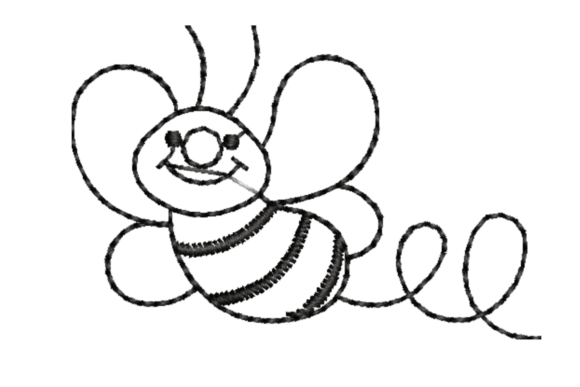
The moment I opened the file, the Cute Bee Embroidery Design immediately conveyed a sense of warmth and playfulness. It fits perfectly into the "Bugs" category but transcends simple insect imagery to become a character piece. The visual mood is undeniably lively and cheerful, making it an excellent choice for projects intended to bring joy to the recipient.
In terms of detail level, the design strikes a balance that is often hard to find. It has enough personality to stand out as a decorative element without becoming so dense that it creates a stiff, uncomfortable texture on delicate fabrics. For a handmade product, this is crucial. A design that feels too heavy can ruin the drape of a t-shirt or make a baby blanket feel scratchy. This bee brings a softness to the project that suggests high-quality finishing.
Performance in Real Embroidery Work
I tested this design on several surfaces to see how it handles different materials. My goal was to simulate real-world scenarios, from a quick gift to a commercial batch production run.
Custom Apparel and Sweatshirts: When applied to a cotton blend sweatshirt, the design held its shape well. The stitch density appears optimized for standard machine embroidery, preventing puckering on stretchy knits. However, if you plan to use this for sweatshirt embroidery, ensure you use a cut-away stabilizer to support the knit structure. The design works beautifully for personalized gifts where the wearer wants a fun, non-threatening motif.
Tote Bags and Kitchen Towels: These are classic items for this type of design. On canvas tote bags, the Cute Bee Embroidery Design adds a boutique feel that elevates the perceived value of the item. Similarly, on kitchen towels, it serves as a charming focal point. The contrast between the bright thread colors and the neutral towel background makes it pop in product photography, which is essential for online sellers.
Baby Items and Nursery Decor: Because the design is soft and rounded, it is ideal for baby clothes and nursery decor. Parents often look for gentle themes, and this bee provides that without being overly complex. It translates well to pillow covers and blankets, adding a touch of whimsy to a child's room.
Practical Considerations for Stitching
While the design is promising, there are practical aspects every embroiderer must consider before starting a commercial project. Understanding these nuances will save you time and frustration.
Hoop Size and Detail: Always check the recommended hoop size for this specific file. If the design includes tiny lettering or very fine details, ensure your hoop can accommodate the area without cutting off parts of the image. Small hoops can sometimes struggle with larger fill areas, leading to misalignment. If you are working on a curved surface like a cap, you may need to adjust the placement carefully to avoid distortion.
Thread Colors and Contrast: The success of any embroidery file depends heavily on thread selection. For dark fabrics, you will need to evaluate the thread colors to ensure they have enough contrast against the background. Lighter threads might get lost on black or navy material unless you use a high-density underlay. Conversely, on light fabrics, the design shines naturally.
Stabilizer and Texture: Using the proper stabilizer is non-negotiable. For stretchy fabrics, a tear-away or cut-away stabilizer is necessary to prevent the stitches from pulling the fabric out of alignment. If you are working with textured fabric, such as a thick fleece or a woven linen, test the design first. Dense stitch areas might sink slightly into rough textures, altering the final look.
Density and Washing: Check the stitch density of the design. High-density areas can be prone to breaking needles or creating hard spots that do not wash well over time. Since this design is meant for frequent use items like aprons or kitchen towels, it needs to withstand washing cycles without fraying. Inspect small details after stitching to ensure they remain crisp.
Impact on Product Value and Brand Consistency
For those selling finished goods, the quality of the design directly influences buyer trust. A sloppy or poorly digitized design can damage a brand's reputation instantly. The Cute Bee Embroidery Design, when executed correctly, enhances the handmade presentation and visual appeal of the product.
It allows for consistent branding across various items. Whether you are creating a matching set of a tote bag and a kitchen towel or a coordinated baby gift box, the cohesive style of this design helps maintain a professional look. This consistency is key for commercial embroidery businesses looking to build a loyal customer base.
Furthermore, the design is highly giftable. Its cheerful nature makes it suitable for seasonal handmade gifts, bridal showers, or birthday presents. In the world of Etsy listings, having a design that photographs well and conveys emotion can significantly boost engagement and sales.
Essential Pre-Production Checklist
Before you commit to a full production run, follow these practical steps to ensure success:
- Test on Scrap Fabric: Always stitch a sample on a scrap piece of the same material you intend to use for the final product. This reveals issues with tension, puckering, or color mismatch.
- Review File Details: Confirm the file format and compatibility with your specific embroidery machine. Check the product page on Creative Fabrica embroidery for any specific instructions provided by the creator.
- Licensing Verification: If you plan to sell finished items, review the license terms on the product page. Ensure you have the right to use the design for commercial purposes.
- Mockup Comparison: Compare light and dark fabric mockups to visualize the final result. This helps in marketing the product effectively.
- Inspect Small Details: Zoom in on the digital file to inspect small details. Ensure that running stitches or satin stitches are clean and won't snag easily.
Final Thoughts on Cute Bee Embroidery Design
The Cute Bee Embroidery Design is a versatile asset that fits seamlessly into a wide range of creative projects. From digital embroidery files used for printable mockups to physical handmade products sold at craft fairs, this design offers a reliable foundation for your next venture. It is particularly strong for those looking to create custom apparel or embroidered patches with a friendly, approachable aesthetic.
While no design is perfect without proper execution, this one offers a solid structure and appealing visual style. By following best practices regarding stabilizers, thread choices, and testing, you can turn this simple bee motif into a standout feature for your customers. Whether you are a seasoned pro or just starting your journey in machine embroidery design, this download is worth considering for your next collection.
Remember to always check the specific design assets provided on the Creative Fabrica product page for the most accurate technical specifications. With careful planning, the Cute Bee Embroidery Design can help you create warm, memorable pieces that customers will love.